So. Much. Democracy.
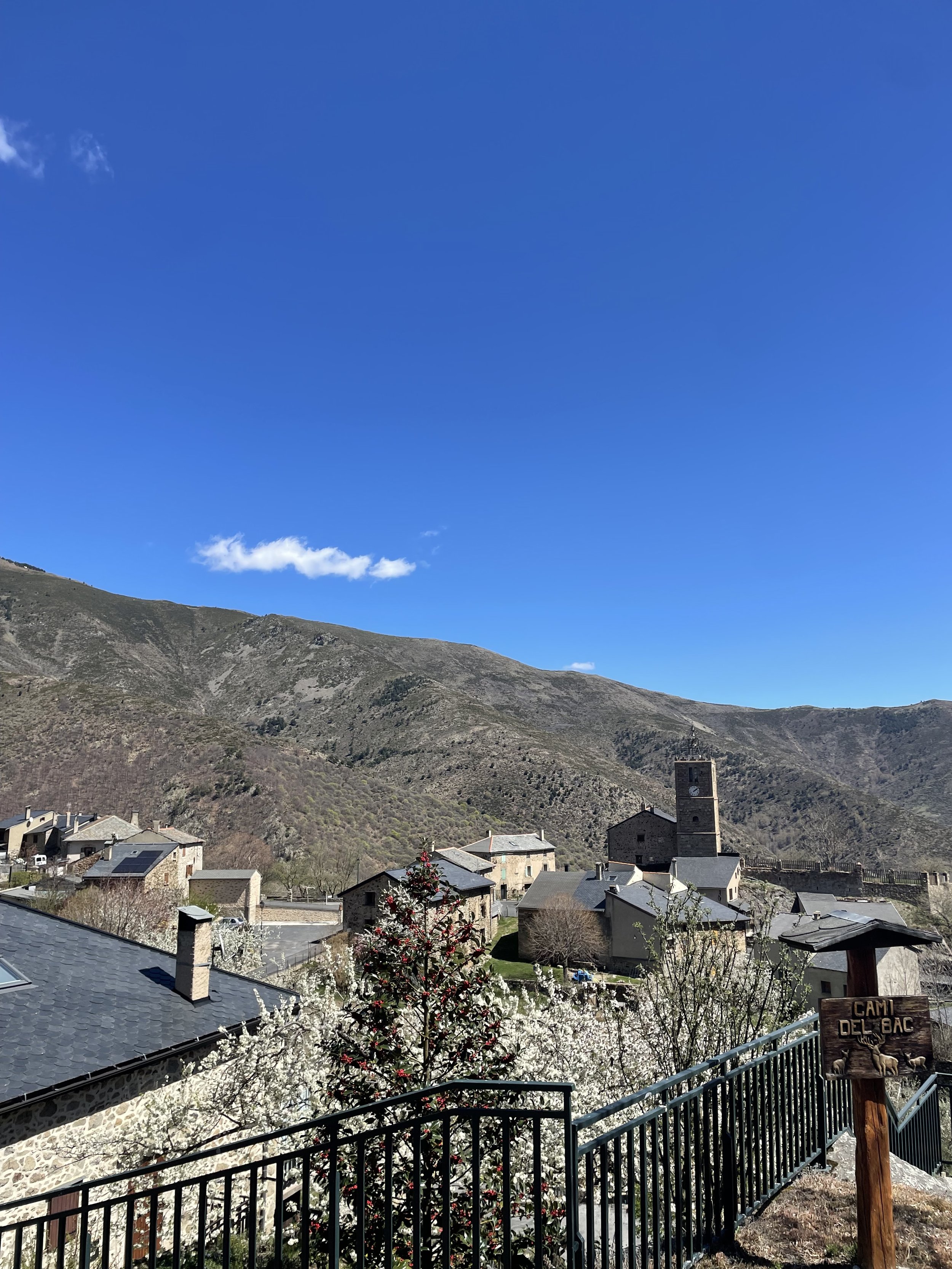
Commune-ists are everywhere
I’ve just learned that there are 34 875 communes in France. That means 34 875 mayors, all with attendant adjoints, councillors and staff. The size of the council is set out depending on the size of the commune - ranging from 9 in small communes of under 100 people to 29 of those between 5000 and 9999. Above that and it gets complicated (more complicated).
This seemed a lot - so I looked up how many elected representatives there are in France and the answer is over half a million.
France is an outlier like this - but it’s interesting. People are attached to their communes (and far more so than to their department or region if you read around). Having a mayor means that there’s a person in charge - or charged with responsibility (as a councillor you delegate some decisions to the mayor). There is someone who is at the end of the phone, in the mayor’s office or out and about. It’s not an all-powerful role, some powers are in the hands of the Community of Communes - an administrative layer above - or the department and national government above, but there are still powers in the hands of ordinary residents. Even in a small village there’s a budget and a team in charge of municipal works, who keep track of administration and work on the plans of how they want their commune to develop. Perhaps especially in a small village it’s important - there are about 30,000 rural communes where the relatively small remuneration that goes to the mayor is disproportionate to the enormous value of the work they do.
The mayor has the powers of an officer of the state - to register births deaths and marriages - a certain amount of power to investigate offences and gather evidence and act as prosecutor, and act as a sub-authority in the execution of security measures, enforcement of laws and conduct of elections. And that is in addition to executive power to administrate the commune, budget, manage revenue, upkeep the roads and public buildings, ensure that propriety of markets, the destruction of pests and the proper taking of the census. Not too much then.
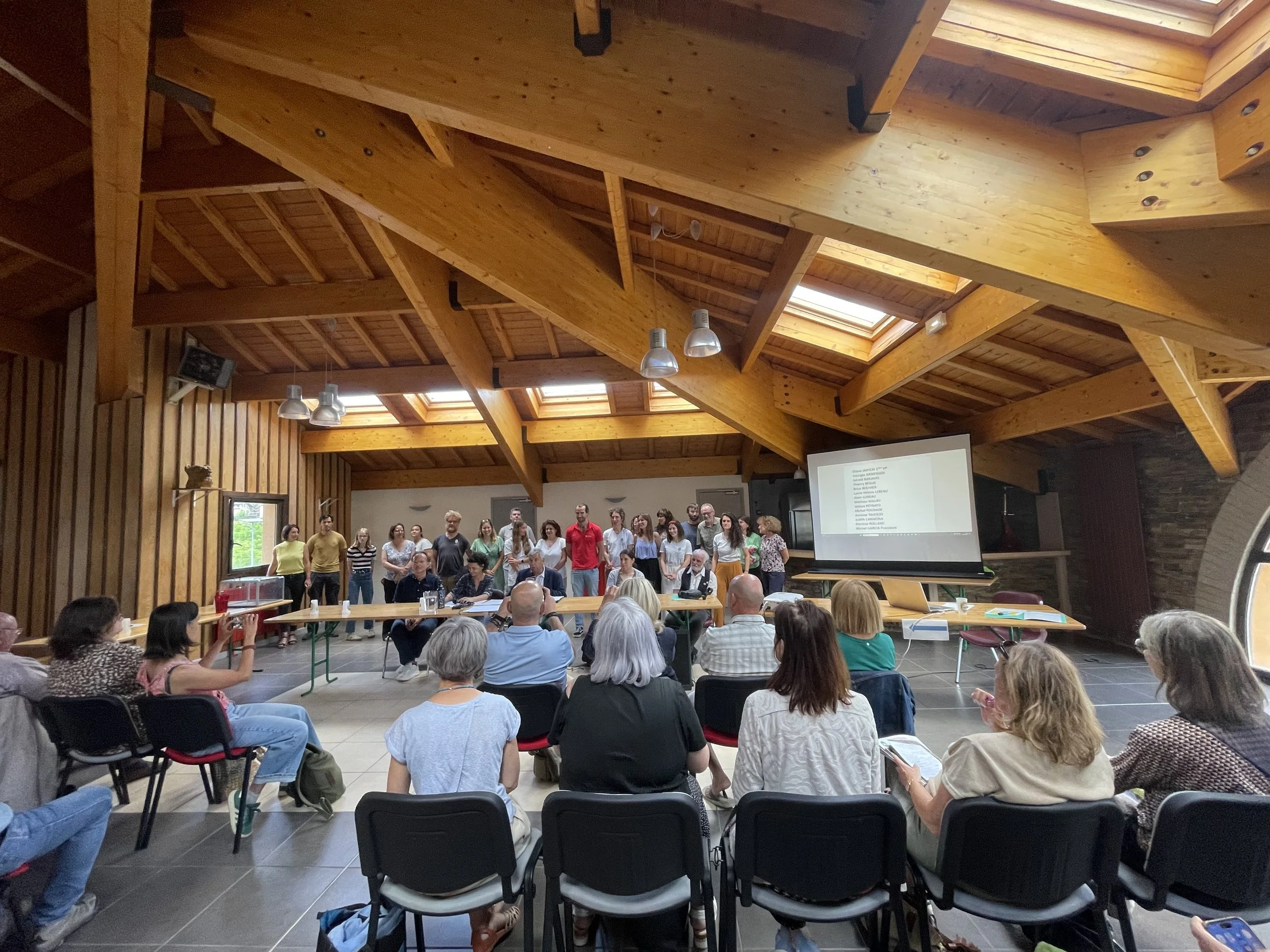
The PNR staff and council after the AGM
On top of the direct responsibilities in the village, the elected officials represent the village at other levels of government (the Community of Communes for instance) and also in other regional or sub-regional bodies that manage specific aspects of the area. Village representatives play a role in governing regional amenities - the Canigó Grand Site (which is the organisation managing the designation of ‘Grand Site de France’ for the Canigou zone and making sure it lives up to the label) and the PNR (Parc naturel régional des Pyrénées catalanes) in our case. There are a lot of committees - but that also means a lot of places in which to have your say.
There’s another subtle thing here - with around 1% of the resident population of voting age participating very directly in the electoral system, democracy, in France, is much closer than you might think.