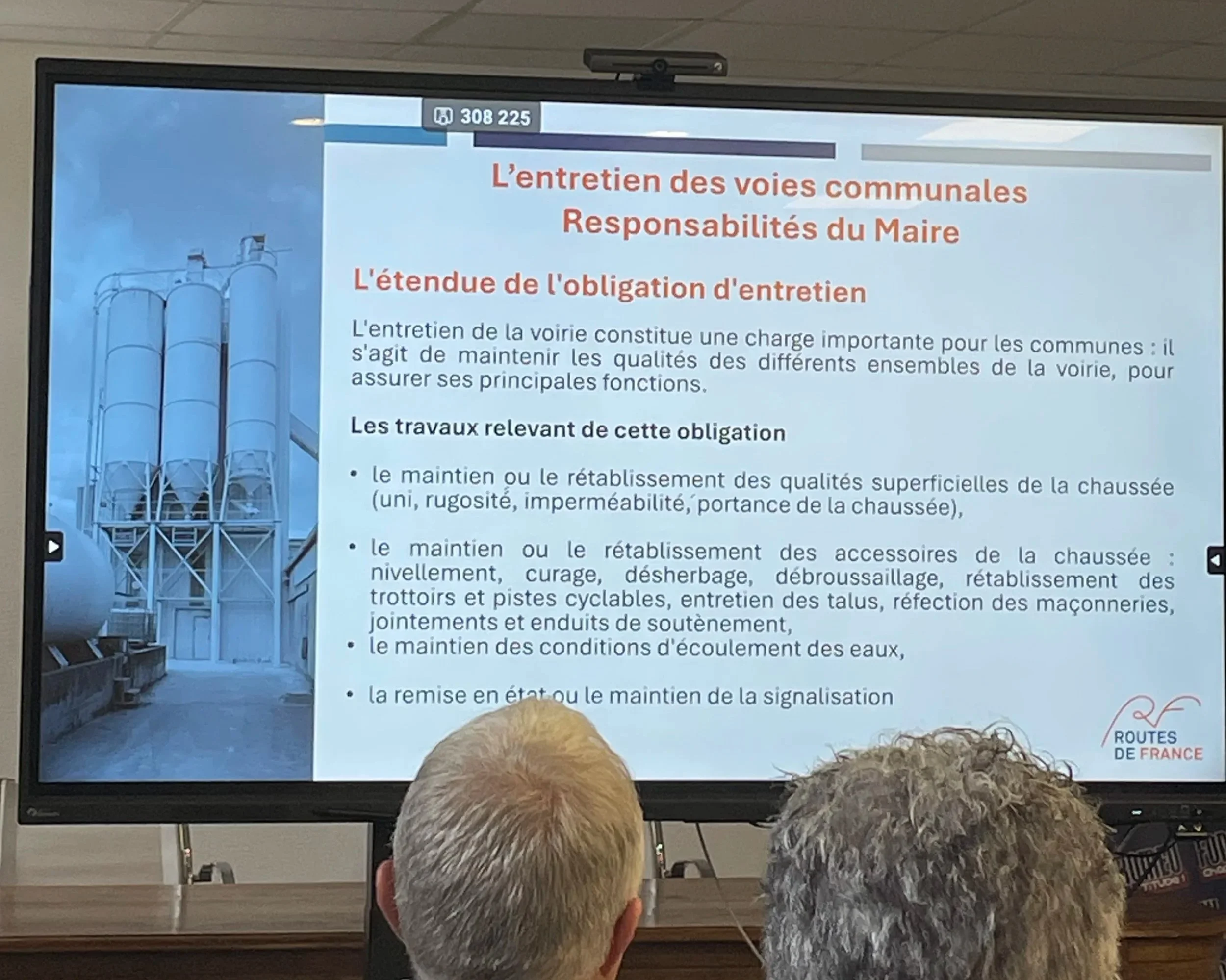
Last month I was invited for councillor training…
After three hours of lectures I can now attest that the village council is responsible for local roads, infrastructure maintenance, lighting, water supply and supporting the energy transition and climate resilience.
Whilst this is pretty daunting, there are also some pretty positive things we can do. Here are three little windows on the world of village life.
Sun power to the people
The Pyrenees Orientales is home to 5GW of solar generation. As an interesting aside, installing solar panels on the ground in the Pyrenees Orientales (apart from on land designated as industrial) is not permitted. This regulation is being reviewed, with some ‘agrisolar’ pilots where solar panels are mixed with agriculture. The anticipated amendment of the rule is likely to mean that farmers can mix agriculture and electricity generation providing the electricity revenue doesn’t exceed that from farming.
Lights out for the territory
There are pretty strict requirements that lighting is designed to minimise light pollution, protect wildlife and save energy. Lights are usually LED but must be a less blue tone and pointed downwards. It’s also fine for councils to turn off lights at some point during the night (striking a balance between keeping our skies dark and wildlife undisturbed and the need for public safety and night life in the community). One of the net results of the focus is that France is excellent at energy saving when it comes to street lighting, with annual reductions in the past years.
Water security
The average monthly water bill (including waste water treatment) in France is €49 and the national average price of water is 4,88 € per m3. The Pyrenees Orientales average is 4,35/m3.
Communes across France manage their water in many different ways - individually or as collectives with neighbouring communes, work is carried out by municipal teams or contracted to private management. People can check how their village compares to their neighbours on MonSuiviEau.fr
Fuilla water is managed by the commune, we have two boreholes and a well plus our own waste treatment plant. We also have ‘schema directeur de l’eau potable’ underway. This is a national requirement (particularly if we want to draw on central support for our water system). Initially it consists of an expert assessment of our water infrastructure and recommendations on how we can ensure that it is excellent quality and sufficient for our future needs. The first step is a full external check of our two bore holes to ensure that they are optimally efficient and to assess their lifespan, future maintenance needs and whether they will need augmenting. We will also have to survey the pipework through the village and programme any required upgrades over the next 10 years.
Bonus interest!
The village of Saillagose is buying a farm. As background, every agreed sale of land or housing in a commune is passed through the Mairie, and councillors decide whether the village requires the property for municipal use. Saillagose has a small year-round population and a lot of second homes (it’s a relatively easy drive from Barcelona and provides summer respite from the heat). This has created pressure on housing - and increased property prices. In common with many rural areas, people who work in the area are being priced out of the market. When a local farm was sold, the village decided to use the established procedure to buy it. The idea is that once a sale is formalised, the village pays the agreed price so the vendor doesn’t lose out. Rumour has it that agreed price was going to be augmented ‘under the table’ to minimise taxes - and the vendor is not best pleased as the village will (obviously) only pay the official agreed price. Local building regulations mean that the farm can be converted into up to five dwellings - which is what (once it takes possession) the village intends to do.
I find the localism in France really empowering - although there’s a lot of responsibility in being a councillor, there’s still a feeling that change is possible and power is in our hands.
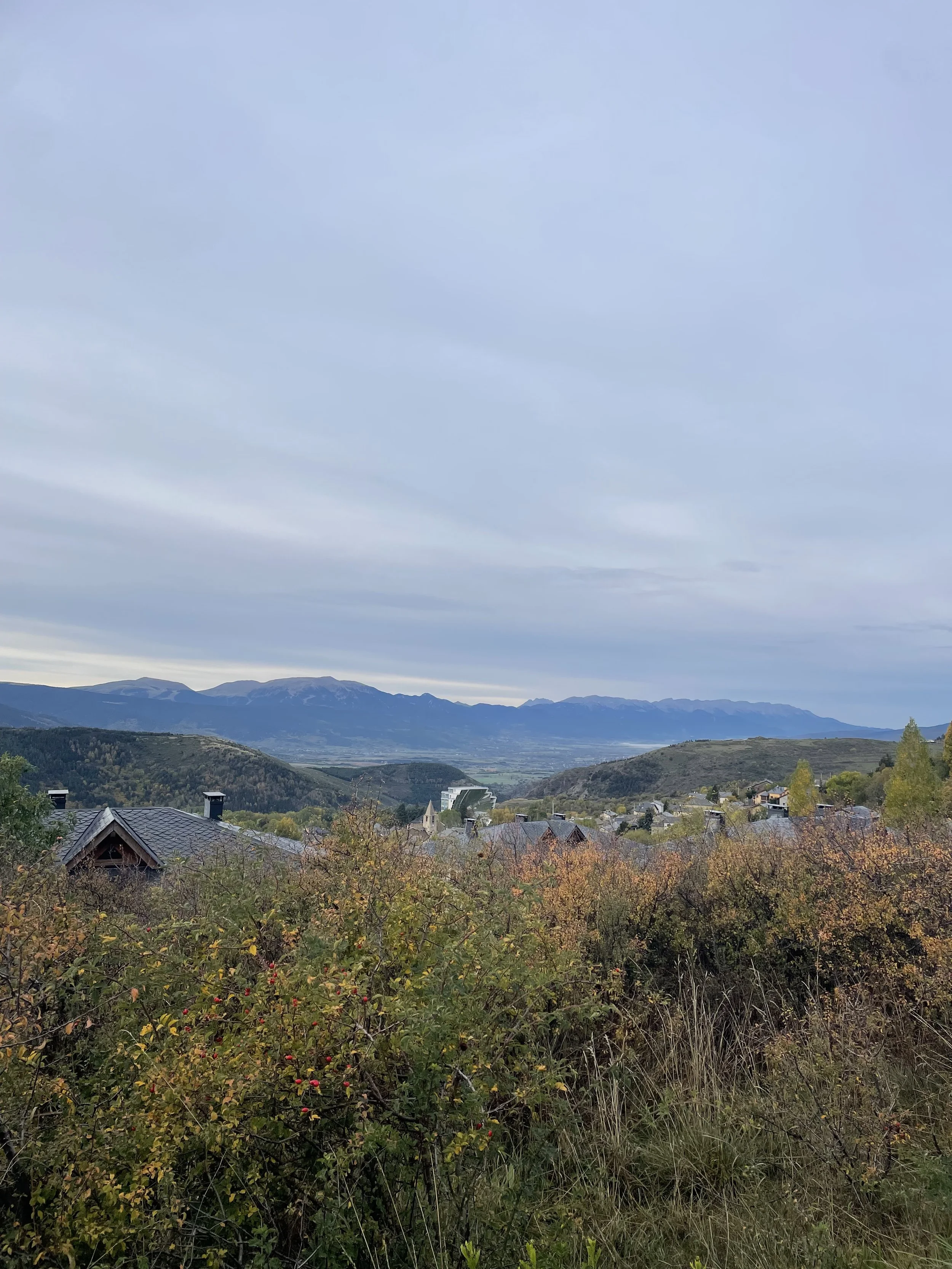
Not a bad training location!
I took the bus up to Font Romeu and got a great view of the Pyrenees.